

7-OH vs. Full-Spectrum Kratom: A Science-Based Comparison for Informed Buyers
7-hydroxymitragynine (7-OH) and full-spectrum kratom come from the same plant, Mitragyna speciosa, but they are not the same substance. They differ in chemistry, potency, effect profile, risk level, and who they are appropriate for. If you are trying to decide between the two, or trying to understand what distinguishes them, this guide provides the most thorough side-by-side comparison available, written to be honest even when the honest answer points away from 7-OH.
Kratom: Complete alkaloid profile of the leaf. Mitragynine-dominant. Stimulating at low doses, sedating at high. Multi-receptor activity. Grams-based dosing.
7-OH: Concentrated single alkaloid. Higher mu-opioid affinity. Sedating at all doses. Milligram-precise dosing. Batch COA-verified.
Definitions: What Each Substance Actually Is
Any meaningful comparison has to start with precise definitions. 7-OH and full-spectrum kratom are related, they share a botanical origin, but that shared origin is where the similarity begins to diverge in ways that matter enormously for anyone making a purchasing or usage decision.
Kratom
Full-spectrum kratom refers to products derived from the dried and processed leaves of Mitragyna speciosa, a tree in the Rubiaceae (coffee) family that grows primarily in Indonesia, Malaysia, Thailand, and surrounding Southeast Asian regions.The dominant alkaloid in full-spectrum kratom is mitragynine (molecular formula C23H30N2O4), which typically comprises 60–70% of total alkaloids.
- Mitragynine-dominant (60–70% of alkaloids)
- 40+ secondary alkaloids create entourage effect
- Biphasic: stimulating at low doses, sedating at high
- Dosed in grams (1–8g typical range)
- Available as powder, capsules, tea, leaf, extracts
7-OH
7-hydroxymitragynine is an oxyindole alkaloid with the molecular formula C23H30N2O5. It is present in natural kratom leaf in trace amounts, typically under 2% of total alkaloids.In commercial 7OH products, the alkaloid is extracted from kratom leaf material and standardized to milligram-precise doses.
- Single isolated alkaloid, concentrated
- 5–17× morphine potency (preclinical models)
- Sedating at all doses above threshold
- Dosed in milligrams (5–200mg+ range)
- Dose precision with batch COA verification
Property Comparison
| property | kratom | oh |
|---|---|---|
| Primary active compound | Mitragynine (60–70% of alkaloids) | 7-Hydroxymitragynine (concentrated) |
| Secondary compounds | Full alkaloid matrix. 40+ compounds | Minimal — semi-isolated or isolated |
| Natural leaf concentration | Mitragynine: major / 7-OH: trace (<2%) | Concentrated far beyond natural levels |
| Molecular formula (dominant) | C23H30N2O4 (mitragynine) | C23H30N2O5 (7-OH) |
| Primary receptor activity | Partial mu-opioid + adrenergic/serotonin | Strong partial mu-opioid agonist |
| Potency per mg vs morphine | ~10% of morphine (mitragynine) | ~5–17× morphine (7-OH, preclinical data) |
| Dose unit | Grams (1–8g typical range) | Milligrams (5–200mg+ product range) |
| Dose precision | Variable — batch, strain, prep method | High — when batch COA provided |
| Effect character at low doses | Stimulating / energizing | Sedating / relaxing |
| Available formats | Powder, capsule, tea, leaf, extracts | Tablet, gummy, shot, strip, syrup, disposable |
| Natural legal status (US, federal) | Legal (unscheduled) | Legal (unscheduled); some state/city bans |
How Each One Feels: Effect Profiles Compared
Effects from both kratom and 7-OH are highly dose-dependent and vary between individuals based on physiology, tolerance history, metabolic rate, body weight, and concurrent food/medication intake. The profiles below reflect patterns reported across user communities and pharmacological research. They are not clinical guarantees.
Full-Spectrum Kratom: Effect Profile by Dose
| Dose | Effect | Description |
|---|---|---|
| 1–3g (low/threshold) | ||
| 3–6g (moderate) | ||
| 6–8g (high) | ||
| 8g+ (very high) |
Full-spectrum kratom exhibits a biphasic dose-response pattern: low doses tend to produce stimulating effects, while higher doses shift toward sedation, analgesia, and euphoric relaxation.
7-OH Isolate: Effect Profile by Dose
| Dose | Effect | Description |
|---|---|---|
| 5–15mg (beginner/low) | ||
| 15–50mg (intermediate) | ||
| 50–100mg (advanced) | ||
| 100mg+ (high dose only) |
7-OH lacks the biphasic quality of full-spectrum kratom. At virtually all doses above threshold, 7-OH trends toward sedation, relaxation, and analgesia rather than stimulation.
Format Comparison: Onset, Duration, and Dose Control
7-OH offers something full-spectrum kratom cannot: a meaningful choice of delivery format that changes the pharmacokinetic profile. The format you choose matters nearly as much as the dose.
| format | onset | duration | control | notes |
|---|---|---|---|---|
| Scored tablet | 20–40 min | 4–7 hrs | High — splittable | Best value and flexibility; beginner-friendly if low-mg |
| Gummy / edible | 25–45 min | 4–6 hrs | Medium | Good palatability; slower than shots |
| Liquid shot | 10–20 min | 3–5 hrs | Low (pre-measured) | Fast onset; less flexibility; harder on empty stomach |
| Sublingual strip | 5–15 min | 2–4 hrs | Medium | Fastest onset; partial bypass of first-pass metabolism |
| Syrup | 15–30 min | 3–5 hrs | Low | Pre-dosed; palatable; watch sugar content |
| Powder / loose | 15–30 min | 4–6 hrs | Very high | Best raw cost-per-mg; requires precision scale |
| Disposable vape | 2–5 min | 1–3 hrs | Low | Fastest onset; shortest duration; niche use |
Key Qualitative Differences in How Each Feels
| title | desc |
|---|---|
| Predictability | 7-OH is more pharmacologically predictable per dose because the active compound is standardized in a lab-verified product. Full-spectrum kratom potency can vary significantly between batches, strains, and vendors. |
| Stimulation vs. Sedation | Full-spectrum kratom at 1–3g produces stimulating effects that are absent from 7-OH at any dose. Users seeking a productivity aid or daytime use-case will find full-spectrum kratom far better suited. |
| Duration Control | 7-OH’s format diversity gives users more control over duration than kratom powder allows. |
| Nausea Profile | Both substances can cause nausea, but the triggers differ. Kratom powder nausea is typically dose-related. 7-OH nausea is more format-dependent. |
| Tolerance Curve Shape | Full-spectrum kratom tolerance typically develops gradually over weeks of daily use. 7-OH tolerance can become noticeable within 1–2 weeks of regular use. |
Safety and Risk: An Honest Comparison
Important Safety Notice
Both full-spectrum kratom and 7-OH carry real risks. 7-OH’s higher potency creates a smaller margin between an effective dose and an excessive dose. The information below is not a substitute for medical advice. If you are taking any prescription medication or have a pre-existing condition, consult a healthcare provider before using either substance.
Side-by-Side Risk Comparison
| factor | kratom | oh | verdict |
|---|---|---|---|
| Dependence | Moderate, reported with daily use sustained over weeks/months | Higher, faster onset due to greater potency and receptor affinity | 7-OH higher |
| Withdrawal symptoms | Restlessness, muscle aches, insomnia, irritability, typically resolves in 5–7 days | More pronounced autonomic symptoms possible; more acute onset at higher doses | 7-OH more severe |
| Tolerance development | Gradual, weeks of daily use typically required | Faster, can be noticeable within 1–2 weeks of regular use | 7-OH faster |
| Overdose risk | Lower per gram; risk rises sharply above 8–10g | Higher per mg; smaller margin between effective dose and excessive dose | 7-OH higher |
| Respiratory depression | Lower at typical doses; concern at very high doses | Real concern above 100mg products, particularly with other CNS depressants | 7-OH higher |
| Drug interactions | CYP3A4/CYP2D6 metabolism; caution with opioids, MAOIs, CNS depressants | Same metabolic pathway + greater concern at higher doses | Both significant |
| GI adverse effects | Nausea common above 5–6g; constipation with sustained regular use | Nausea common; format-dependent (shots > tablets) | Both significant |
| Label accuracy risk | Strain labeling variable; potency varies by vendor and batch | Significant if no COA, high risk of mislabeled mg content | Unverified 7-OH higher |
Shared contraindications
- Anyone under 21 years of age
- Pregnant or nursing individuals
- Anyone currently taking prescribed opioid medications
- Anyone currently taking benzodiazepines or other CNS depressants
- Anyone with a history of opioid use disorder
- Anyone with significant hepatic impairment
7-OH-specific contraindications
- People new to any opioid-adjacent substance
- Anyone planning daily use for wellness support
- People with respiratory conditions
- Anyone who cannot reliably weigh or measure doses
What to Do in an Adverse Event
If you or someone near you experiences loss of consciousness, inability to wake up, slowed or stopped breathing, severe dizziness preventing standing, or blue/gray lip coloring, this is a medical emergency.
SAMHSA National Helpline: 1-800-662-4357 - free, confidential, 24/7, 365-day-a-year
Which Is Right for You? A Decision Framework
The choice between full-spectrum kratom and 7-OH isolates is not a question of which is ‘better’, it is a question of which matches your experience level, risk tolerance, intended use case, and approach to harm reduction.
The Four-Question Decision Framework
1. What is your experience level?
2. What is your primary use case?
3. How important is dose precision?
4. What is your risk tolerance?
User Profiles: Who Each Option Suits
:
:
:
:
Best Sellers
Top-rated products from verified brands
-
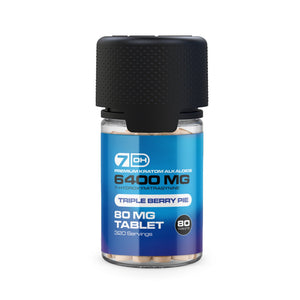
7OH.com Premium Kratom Alkaloid Tablets (6400mg - 80 Count)
$379.99
-
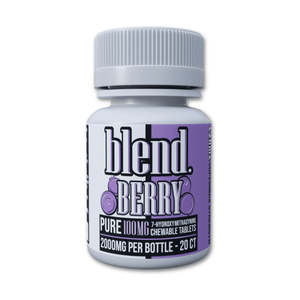
Blend OHMZ Extra Strength 7-OH Tablets (2000mg - 20 Count)
$149.99
-
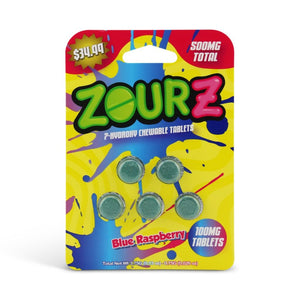
Zourz 7-OH Tablets (500mg - 5 Count)
$34.99
-
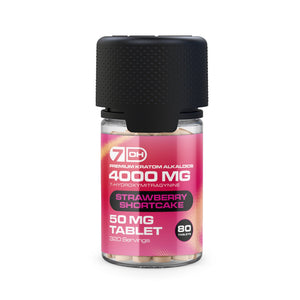
7OH.com Premium Kratom Alkaloid Tablets (4000mg - 80 Count)
$237.99
-
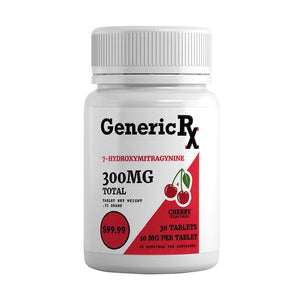
Generic RX 7-OH Tablets (300mg - 30 Count)
$59.99
-
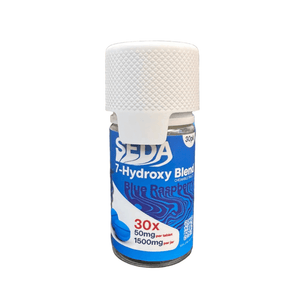
SEDA 7-OH Tablets (1500mg - 30 Count)
$99.99
-
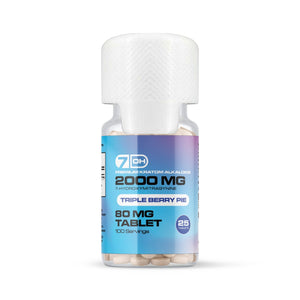
7OH.com Premium Kratom Alkaloid Tablets (2000mg - 25 Count)
$119.99
-
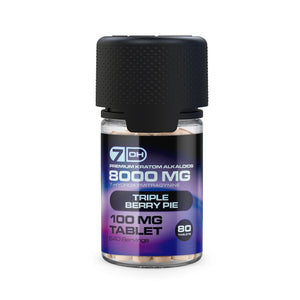
7OH.com Premium Kratom Alkaloid Tablets (8000mg - 80 Count)
$474.99
How 7oh.com Approaches Both Categories
7oh.com is a 7-OH specialist marketplace. That means we have a direct commercial interest in this product category — and we think transparency about that is part of what makes content from us worth reading. This guide was written to give you accurate information even in the sections where the accurate answer is ‘full-spectrum kratom is the better choice for you.’
For users who do choose 7-OH products, here is what 7oh.com requires of every product listed — not as marketing copy, but as operational policy:
- :
- :
- :
- :
- :
For users whose profile matches Profile 4 — long-term safety as the primary goal — 7oh.com carries selected full-spectrum kratom products tested to the same standards.
Shop by Product Type
Find the format that fits your lifestyle and experience level
Live collection feed — see rendered block.
Trusted Brands
Every brand meets 7oh.com’s rigorous COA and testing standards
Frequently Asked Questions
- Is 7-OH the same as kratom?
- No. 7-hydroxymitragynine (7-OH) is one alkaloid found naturally in trace amounts in the kratom plant.
- Which is stronger — 7-OH or full-spectrum kratom?
- On a per-milligram basis, 7-hydroxymitragynine is substantially more potent.
- Is 7-OH safer than kratom, or riskier?
- For most users, full-spectrum kratom carries lower acute risk than concentrated 7-OH.
- Can I switch directly from kratom powder to 7-OH tablets?
- Technically yes, but start at 5mg of 7-OH regardless of kratom experience.
- How long do effects last — kratom vs. 7-OH?
- Full-spectrum kratom: 3–5 hours. 7-OH varies by format.
- What is mitragynine and how does it differ from 7-OH?
- Mitragynine is the primary psychoactive alkaloid in kratom leaf.
- Are 7-OH effects more consistent than kratom?
- Yes — consistent dosing is the core advantage of standardized 7-OH isolates.
- What does a COA tell me about a 7-OH product?
- It verifies: exact milligrams, heavy metals testing, microbial screening, residual solvents, and adulterant screening.
- Which 7-OH format is best for a sensitive stomach?
- Gummies and scored tablets tend to produce less GI irritation.
- What are withdrawal symptoms from 7-OH vs. kratom?
- Kratom withdrawal typically resolves in 5–7 days. 7-OH withdrawal can be more pronounced.
- Can I use 7-OH and full-spectrum kratom together?
- 7oh.com does not recommend combining them.
- Is 7-OH an opioid?
- 7-OH acts on mu-opioid receptors and is pharmacologically classified as an opioid receptor agonist.
Sources and Editorial Standards
This guide is reviewed quarterly. The most recent review was March 2026. Updates are triggered by: new peer-reviewed research on 7-hydroxymitragynine or mitragynine pharmacology, FDA or DEA regulatory changes, state-level legal status changes, or significant new community safety data.